
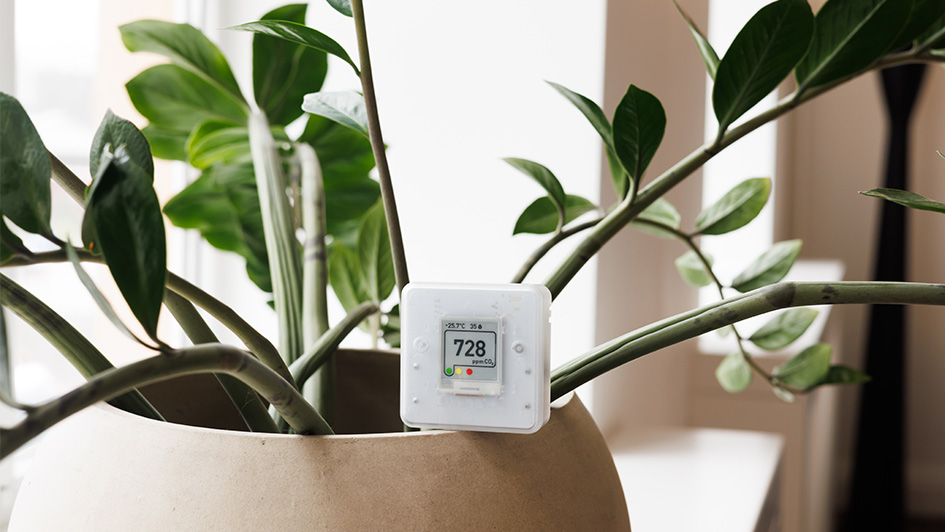
Springtime in Wilmington should mean enjoying warmer weather and spending more time outside. Instead, for many residents, it means dealing with pollen allergies.
If you suffer from allergies, you know how draining that pollen in your home can make you feel. Constant sneezing, itchy and watery eyes, sinus problems and coughing can make everyday life miserable. If you have asthma, pollen can also lead to wheezing, chest tightness and breathing challenges.
Your home is supposed to be an escape from all that. The problem is, pollen does not stay outside. It follows you indoors, causing poor indoor air quality in your Wilmington home —and makes your allergies miserable.
The good news is, there are reliable ways to get rid of indoor pollen problems for good. A combination of pollen season prep and professional indoor air quality solutions can reduce your allergy problems so you can breathe clean, pollen-free air.
Why Pollen Is So Bad in Wilmington, Delaware
Pollen spread from trees, grass and weeds is a common spring problem in Wilmington. How does this pollen affect indoor air quality?
It gets into your home and collects in carpets, furniture, bedding and air ducts. Once inside, pollen can circulate in the air through an unfiltered HVAC system. As it circulates, it repeatedly aggravates your allergies.
How Pollen Sneaks Into Your Home
Homeowners are often shocked to learn just how much pollen gets into their home. It makes its way through open windows and doors, rides in on your pets and even can be pulled in by a poorly filtered HVAC system. Even if you keep your doors and windows closed, pollen still can make its way into your home. You can carry it indoors on your shoes and clothing. Poorly sealed doors and windows even let pollen in.
Once pollen gets in, it moves throughout through your Wilmington home. Knowing how to how to reduce pollen in homes means limiting the amount of pollen that gets in your home whenever possible and then filtering it from circulation when it does.
DIY Pollen Reduction Tips That Really Work
- Change your HVAC filters regularly. Clean filters capture pollen and allergens from the air circulating through your home.
- Leave windows closed on peak pollen count days. Open windows allow high concentrations of pollen indoors.
- Wash off and change clothes after spending time outdoors. Pollen sticks to your hair, skin and clothing, and you can accidentally spread that pollen onto your pillows, bedding and furniture
- Use a vacuum that has a HEPA filter. Vacuums that use HEPA filters help remove tiny pollen particles trapped in carpets and furniture.
- doormats and remove shoes before going inside. Shoes can carry pollen, dirt and other debris throughout your home.
- Consistently groom pets. Pets track pollen indoors on their fur, which they can then transfer to your bedding, carpets and furniture.
Upgrade Your HVAC System for Better Indoor Air Quality
Your HVAC system is an extremely effective way to boost your home’s air quality.These professional, whole-home indoor air quality solutions minimize allergens, enhance airflow and make your home feel more pleasant throughout allergy season.
High-Efficiency Air Filters
High-efficiency HVAC filters help capture particles like pollen, dust and pet dander from the air in your home. You can compare filters using MERV ratings, which are numbers that measure how effectively a filter removes airborne particles. Filters with higher MERV ratings can trap smaller particles. Many homeowners looking for the best air filters for allergies choose high-efficiency air filters because they are an effective way to remove pollen, pet dander and other airborne irritants.
Whole-Home Air Purifiers
Whole-home air filtration systems work in conjunction with your HVAC system to clean the air in every room of your home. Unlike portable air purifiers that only filter one room, whole-home air purification systems continuously capture microscopic particles like pollen, dust and pet dander as air moves through your ductwork. This creates a whole-home solution to your seasonal allergy concerns.
Humidity Control
Spring humidity in Wilmington can also trigger your allergies by promoting mold and mildew growth. Ideally, your home's humidity should be between 30-50 percent. Whole-home humidity control systems connect to your HVAC system to manage moisture levels throughout your house. In humid months, they reduce excess moisture like a dehumidifier. In winter, they add moisture back into dry air. Unlike portable dehumidifiers that only control humidity in one room, whole-home systems are a way toimprove indoor air quality in the spring in your entire home.
UV Air Purification
UV air purification systems are an effective way to reduce mold spores, bacteria and certain viruses moving through your HVAC system. Unlike filters that only catch and remove particles like pollen and dust, UV systems also use ultraviolet light to neutralize biological pollutants.
When comparing an air purifier vs air filter for HVAC systems, remember that filters are for particles whiles purifiers have additional advanced technology to clean contaminants you can’t see. Combined with filtration and humidity control, UV purification can help support cleaner, healthier air inside your home.
Signs Your Home Air is Dirty
Your home may have indoor air quality problems if you constantly deal with allergy symptoms indoors like sneezing, coughing, congestion, headaches or red, itchy eyes. Other signs of poor indoor air quality in your Wilmington home include dust buildup even after you clean, musty odors, poor airflow and rooms that feel stuffy or humid. If your symptoms improve when you leave the house, that’s a major sign your indoor air may be the issue.
Professional IAQ Services That Reduce Allergies
DIY solutions can help reduce pollen indoors, but they don’t truly eliminate the problem. If you continuously deal with spring pollen allergies, even small amounts of pollen can make you miserable. That is where professional HVAC air quality solutions can help. An indoor air quality assessment identifies and measures the allergens and pollutants in your home so an HVAC professional can suggest filtration or purification solutions to finally solve your pollen problem.
Other ways are available to clean other allergens from your air, like duct cleaning. For allergies like pollen, dust and pet dander, cleaning debris out of your home’s air ducts can be a an effective way to reduce allergy problems. Seasonal HVAC maintenance also ensures that your system filters pollutants effectively and also helps extend the life of your system.
For many Wilmington residents, professional services like filtration, purification, duct cleaning and humidity control finally provide the spring allergies home solutions they’ve been waiting for.
Get Ahead of Spring Pollen in Wilmington
Prevention and professional solutions are the best way to tame your spring allergies. You can help by using DIY tips to reduce pollen indoors. To effectively manage your pollen problem, work with an HVAC professional like the team at Brandywine Heating & Air. We have expert knowledge and high-quality tools to enhance your indoor air quality, so you can breathe refreshing, pollen-free air all spring.
We also can keep levels in from creating a problem in the first place with professional pollen season prep in Wilmington. Schedule an IAQ consultation online or call 302-246-7971 today to get started with Brandywine Heating & Air.